Source Noise Cancelling Wireless Lavalier Microphone for Meetings
Find and compare 30 noise cancelling wireless lavalier microphone options from China. Evaluate models like K9 and XH-WM-6200 for live streaming, teaching, and recording needs. Check specs such as battery life and connectivity; compare the available evidence and request quotations based on your requirements.
Key considerations
Products List


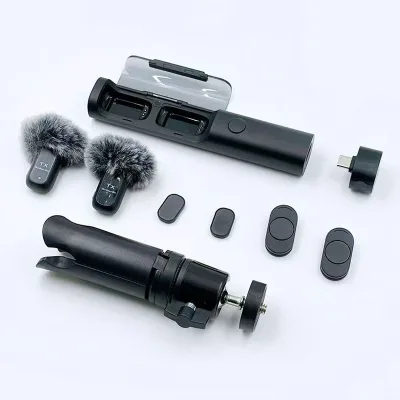
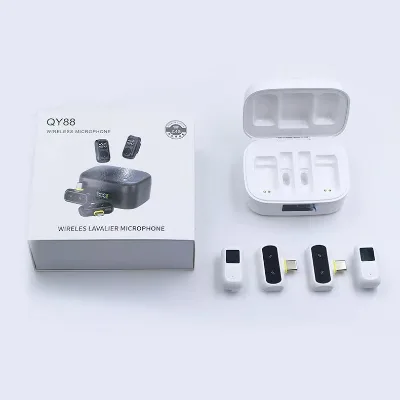
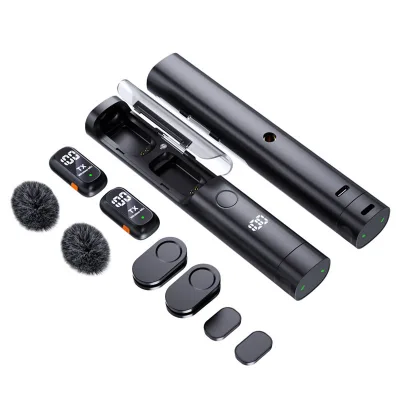


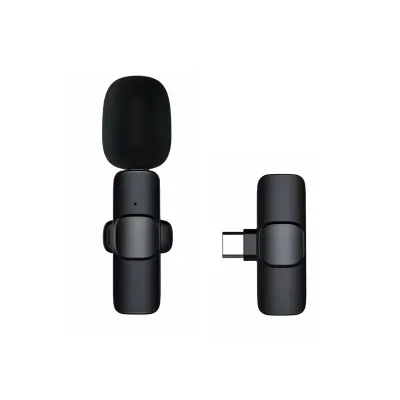


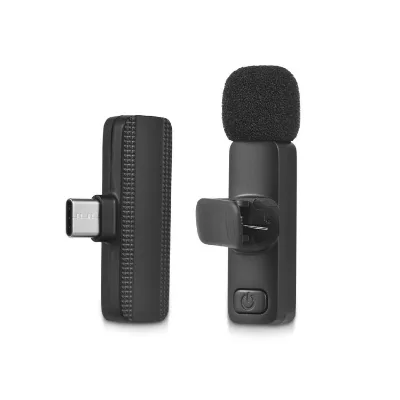

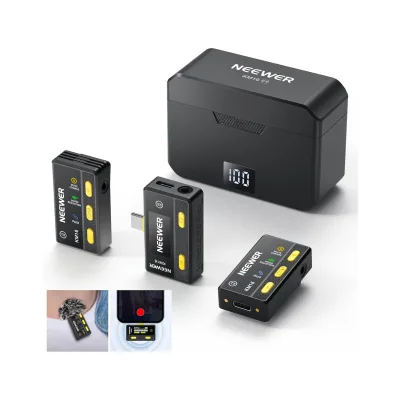

Comprehensive Sourcing Guide
Noise Cancelling Wireless Lavalier Microphone Sourcing Guide
Procurement teams must first distinguish between general wireless microphones and specialized noise-cancelling lavalier systems, as the supplied data reveals a mix of product types including live streaming microphones and meeting audio devices. While some listings explicitly mention noise reduction advantages and specific transducer principles like electrodynamic or condenser types, buyers must verify that the specific unit selected offers the directional control required for lavalier applications rather than general-purpose recording gear.
The observed product range includes models with varying interface types, such as USB 2 and USB 3, alongside wireless transmission frequencies in the 2.4-2.4835GHz band. Buyers should carefully cross-reference the listed interface and connector types, such as Type C or Lightning, against their specific device ecosystem to ensure seamless integration, as the data indicates a broad compatibility with both iPhone and Android platforms but requires confirmation of the exact physical connection standard.
Product Scope and Observed Listing Signals
Buyers should analyze the observed listing signals to understand the diversity of the market, noting that some products are packaged in color boxes while others use standard cartons with specific quantities like 100 sets per carton. The data shows a wide price range from 2.1 to 221 USD, which suggests significant variation in build quality, battery capacity, and feature sets, requiring a clear definition of whether the procurement need is for high-volume meeting solutions or premium live streaming equipment.
It is critical to observe that the product models listed, such as K9, XH-WM-6200, and Q8, represent different design iterations with distinct specifications like virtual screen sizes or specific dimensions. Procurement teams must not assume all listed items share the same form factor; instead, they should verify the physical dimensions and weight, as some entries list specific measurements like 75.849.835mm, which may not be suitable for discreet lavalier mounting on clothing.
Technical Specifications to Verify
Technical verification must begin with the transducer principle, as the data indicates the presence of both electrodynamic and condenser microphone types, each offering different sensitivity and frequency response characteristics. Buyers need to confirm that the selected unit utilizes a condenser transducer for high-fidelity voice capture or an electrodynamic type for durability, ensuring the sensitivity rating of -42dB±2dB aligns with the intended application environment for recording or live streaming.
Signal transmission and battery life are equally critical parameters that require strict validation against the provided facts, which cite battery life ranges from 6-8 hours to over 8 hours and signal-to-noise ratios below 60db. Procurement teams must verify the actual wireless transmission frequency band and pairing type, ensuring the automatic pairing mechanism and 2.4GHz band support provide stable connectivity without interference, especially for applications requiring simultaneous voice and music recording.
Compliance and Safety Documentation
Compliance verification should prioritize the presence of CE certification, which is explicitly noted in the supplied product facts, indicating adherence to European health, safety, and environmental protection standards. Buyers must request current certification documents for every batch to ensure the noise-cancelling features and wireless transmission components do not exceed regulatory limits for electromagnetic interference, particularly when deploying devices in professional meeting or broadcast environments.
Safety documentation must also address the built-in battery capacity, which ranges from 2000mAh to 4000mAh, requiring confirmation of safe charging protocols and thermal management standards. Procurement teams should verify that the packaging and internal components meet the stated standards, such as the 1 to 1 ratio mentioned, to ensure that the product has undergone necessary quality checks before reaching the end user, minimizing the risk of battery-related incidents.
Cost Drivers and Commercial Terms
Cost drivers in this category are heavily influenced by the customization options available, including the ability to customize the package box and the acceptance of ODM requests. Buyers should anticipate that models with advanced features like DSP digital wireless technology and specific noise reduction advantages will command higher unit prices, necessitating a clear understanding of the minimum order quantity, which ranges from 1 to 200 units depending on the supplier's flexibility.
Commercial terms must account for the origin of the products, which are listed as coming from China and specifically Shenzhen, a major hub for electronics manufacturing. Procurement teams should negotiate based on the observed packing standards, such as color boxes or bulk cartons, and clarify whether the price includes the cost of accessories like HDD player cables or specific connectors, as these components can significantly impact the total landed cost per unit.
Supplier Qualification and Quality Control
Supplier qualification requires a rigorous assessment of their ability to deliver consistent quality across different product models, given the observed variation in specifications like the AIMB-S2max standard and various model numbers. Buyers should verify the supplier's capacity to handle ODM requests and their track record with customization, ensuring they can maintain the specific transducer principles and directivity patterns required for professional-grade lavalier microphones.
Quality control processes must focus on the consistency of the signal transmission and battery life claims, as the data shows a range of performance metrics that may vary between batches. Procurement teams should implement incoming inspection protocols to test the noise reduction capabilities and verify the output impedance of 50-1000Ω, ensuring that every unit meets the strict performance standards expected for meeting, voice, and music recording applications.
Long-Term Procurement Checks
Long-term procurement strategies should include regular audits of the supplier's ability to maintain the stated product standards and certifications over time, especially as technology evolves. Buyers must monitor the consistency of the wireless technology and transmission frequency bands to ensure that future orders continue to support the 2.4-2.4835GHz band without compatibility issues with newer devices or operating systems.
Sustainability and supply chain resilience are also key factors, requiring verification of the supplier's location stability in Shenzhen and their ability to manage lead times for customized orders. Procurement teams should establish a feedback loop to track the performance of the microphones in real-world scenarios, ensuring that the battery life and noise cancellation features remain reliable over the product's lifecycle and that any necessary updates to the product model are communicated promptly.
FAQs
How does a noise cancelling wireless lavalier microphone connect to iPhone and Android devices?
Most models connect wirelessly to iPhone and Android smartphones through a USB receiver, with Type C and Lightning output connectors available depending on the receiver included. Pairing is automatic, so no app configuration is typically required. Confirm which connector your recording device uses before ordering, since some kits ship with only one receiver type and adapters may be needed for mixed device fleets.
What battery life can buyers expect from these wireless lavalier microphones?
Listed battery life ranges from 6 to 8 hours for some models to more than 8 hours for others, which covers a full working day of meetings, teaching, or live streaming. Built-in battery capacity generally falls in the 2000mAh to 4000mAh range. Actual runtime depends on transmission distance, volume levels, and ambient temperature, so verify specifications with the supplier for continuous-use scenarios.
Which transmission frequency band do these wireless lavalier microphones use?
These microphones transmit on the 2.4 to 2.4835GHz band using DSP digital wireless technology, the same unlicensed band used by Wi-Fi and Bluetooth devices. This allows worldwide use without licensing, but crowded RF environments at events can cause interference. Omni-direction pickup and automatic pairing help maintain a stable signal, and noise reduction processing compensates for typical 2.4GHz congestion indoors.
Can these microphones be customized for brand packaging and product requirements?
Yes, customization is available and ODM cooperation is welcomed, so buyers can request modified specifications, branding, and packaging. Color box packing is standard for some models, while customized package boxes are offered on others, and some listings ship 100 sets per carton. Discuss minimum order quantities, artwork costs, and lead times directly with suppliers, as these terms vary by model and factory.
What audio specifications matter when comparing wireless lavalier microphone models?
Key specifications include microphone sensitivity, commonly listed around -42dB plus or minus 2dB, signal-to-noise ratio, output impedance of roughly 50 to 1000 ohms, and stereo sound channels. Transducer principle varies between condenser and electrodynamic designs. For live streaming and recording, prioritize noise reduction performance and connector compatibility with your devices over physical size specifications alone.
How do buyers verify product quality and compliance before ordering in bulk?
Check whether listings carry CE certification, which several of these models display, and request documentation directly from the supplier before placing volume orders. Ask for sample units to test noise reduction, battery life, and pairing stability with your actual devices. Review the supplier's stated origin, such as Shenzhen, China, and confirm warranty terms, spare parts availability, and packaging details in writing.
What applications are these wireless lavalier microphones suitable for?
Listed applications include meetings, voice work, music, and recording, with several models specifically marketed for recording, live streaming, teaching, meetings, and singing. Dual microphone versions support two-person interviews or panel discussions. Because pickup is omni-directional and noise reduction is built in, they perform well in open offices and classrooms, though very loud stage environments may require dedicated performance equipment.